

At TUS House 2026 in Houston, Build in Tulsa Managing Director Ashli Sims and Nini Gutierrez, Director of Small Business at BakerRipley, talked through why founders hear "no" from funders and where capital is going next. The answer kept coming back to the problem a founder chooses to solve.

At TUS House 2026 in Houston, Build in Tulsa Managing Director Ashli Sims and Nini Gutierrez, Director of Small Business at BakerRipley, talked through why founders hear "no" from funders and where capital is going next. The answer kept coming back to the problem a founder chooses to solve.
The panel was called "Funding in Today's Tech-Enabled Business Environment," and moderator LaGina R. Harris of LaRae Infinity opened with the question most founders in the room were already carrying: if a founder has revenue and customers, what keeps them from getting funded?
Ashli's answer started well before the pitch. Founders need to start with the end in mind. A side business that pays for a summer vacation, a company meant to support a family and pass to the next generation, and a company trying to become the next Facebook or Honey Pot are three different businesses. They need three different kinds of money.
Investors are looking for high-growth, scalable companies where a $100,000 check can come back as $1 million or more. A legacy business is a better fit for grants, pitch competitions, and loans. When a legacy business goes to investors and hears no, Ashli was clear about what that means: "It's not a knock on your business. It's not even a knock on you being fundable." It's a mismatch between the business and the capital.
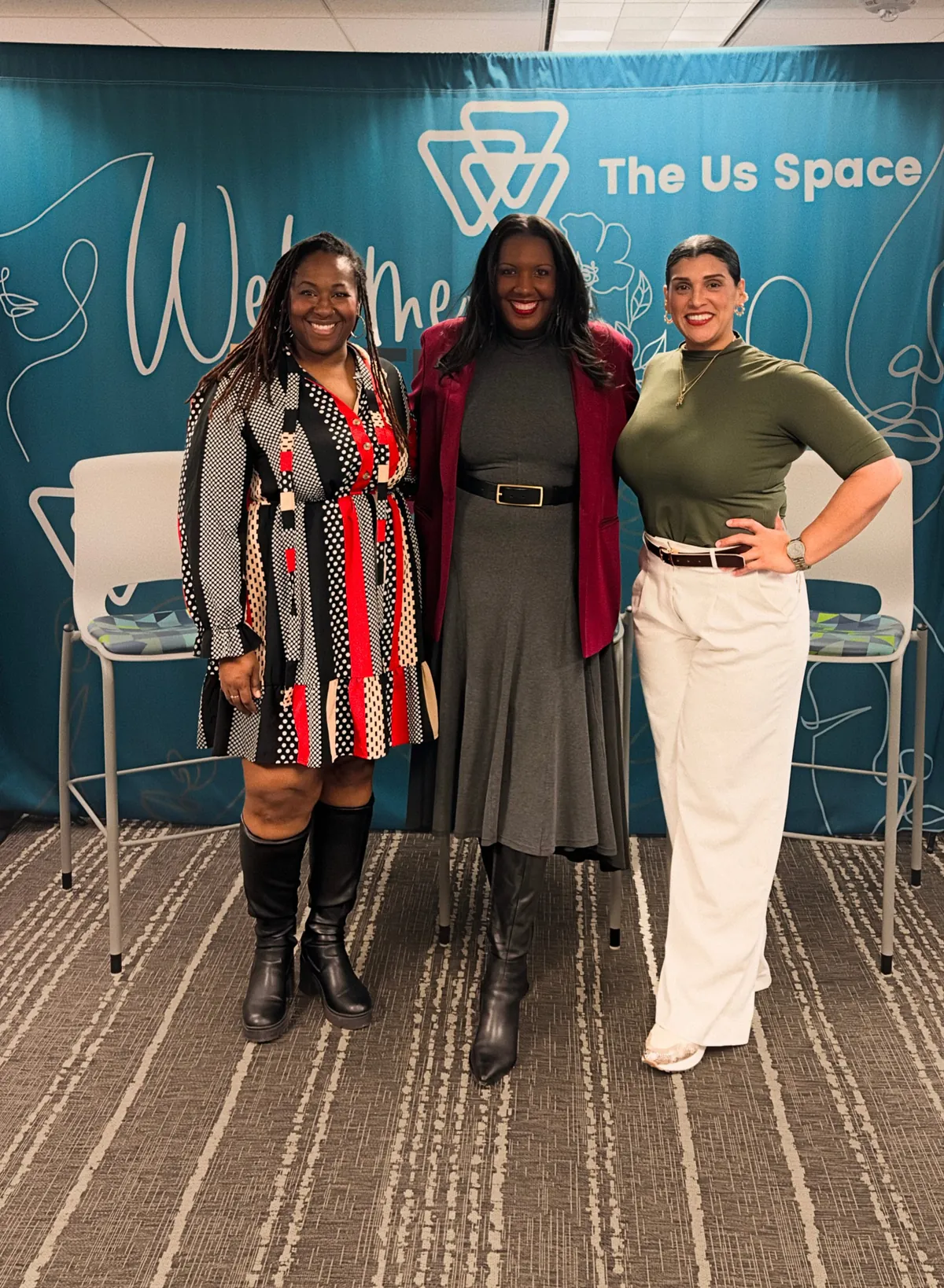
Nini, who spent seven years in lending at a CDFI, made the practical case. You have to know your numbers: profit, expenses, and whether the business can cover the debt payments a traditional loan requires.
She also pushed past "working capital" as an answer. Lenders, investors, and grant reviewers all want to know what the money buys and how that purchase moves the business toward revenue and profit. A piece of equipment that doubles output is an answer. "I need money" is not.
She reframed rejection, too. A no from a lender can mean not right now. She described a Houston founder who spent a year and a half on a project, went after a grant and a $100,000 pitch competition, and eventually secured a $300,000 loan to buy property for a hostel. The founder knew exactly what the money was for, and that clarity carried through every no along the way.
Ashli pointed out that founders usually start businesses to solve problems from their own lives: hair care, beauty, elder care, childcare. Those are real problems, and many of those businesses are good businesses. But they're also crowded, and they aren't where the largest pools of capital are sitting.
The funding is going to founders working on problems most people don't think about. Data centers that need to use less energy. Warehouse robots that need to be repaired faster. An airline industry that hasn't been disrupted in years. Air traffic control, where more controllers retire each year than enter the field, on software Ashli said is probably older than most of the people in the room.
"The thing that has the funding available is solving these kind of massive problems that nobody has figured out yet," she said. Nini added that government grants and contracts in many of these areas are already posted online.
Ashli was just as clear that this path isn't for everyone. A stable personal care business that earns $150,000 and supports a family is a good outcome. For that founder, the work is sales, numbers, and knowing the customer. But a founder who wants to build a multimillion-dollar company has to go where the resources are.
The future looks bright for founders, but the money isn't spread evenly. It follows the size of the problem.
That matters for founders who have been historically left out of capital. Many build in the categories they know firsthand, and those categories tend to be crowded and harder to fund at scale. The point of the panel wasn't to abandon what you know. It was to choose on purpose: decide what kind of business you want, then match the money to it.
If you want to build something big, the problems nobody is working on yet are where the opportunity is.